October 10, 2026
In today’s world, protecting a property while maintaining its visual appeal is an important consideration for homeowners and businesses. A custom iron fence provides a practical way to combine dependable perimeter security with an elegant appearance. Unlike fencing materials that may prioritize either function or design, iron can deliver both while complementing a wide range of architectural styles. With thoughtful planning, customized features, and routine maintenance, this type of fencing can become a long-lasting addition that defines property boundaries, controls access, and improves curb appeal. Understanding its durability, customization possibilities, maintenance requirements, and installation process can help property owners determine whether iron fencing is appropriate for their property's needs.
Strength and Durability
Iron has long been valued for fencing because of its exceptional strength and ability to withstand demanding outdoor conditions. Unlike some wood products that can rot, warp, or deteriorate after prolonged exposure to moisture, properly protected iron maintains its structural integrity for decades. Its strength also makes an iron fence difficult to damage through ordinary impacts, creating a dependable physical boundary around residential and commercial properties. According to HomeGuide, a well-maintained wrought iron fence can last between 50 and 100 years, demonstrating why the material is often considered a long-term investment for consumers.
Durability can be particularly valuable for properties exposed to strong winds, changing temperatures, heavy precipitation, or frequent activity around the perimeter. Protective coatings and quality finishes help prevent moisture from reaching the underlying metal. When minor scratches or signs of corrosion are addressed promptly, the structure can retain both its appearance and strength. This extended service life can also reduce the frequency with which property owners need to replace perimeter fencing.
Security and Access Control
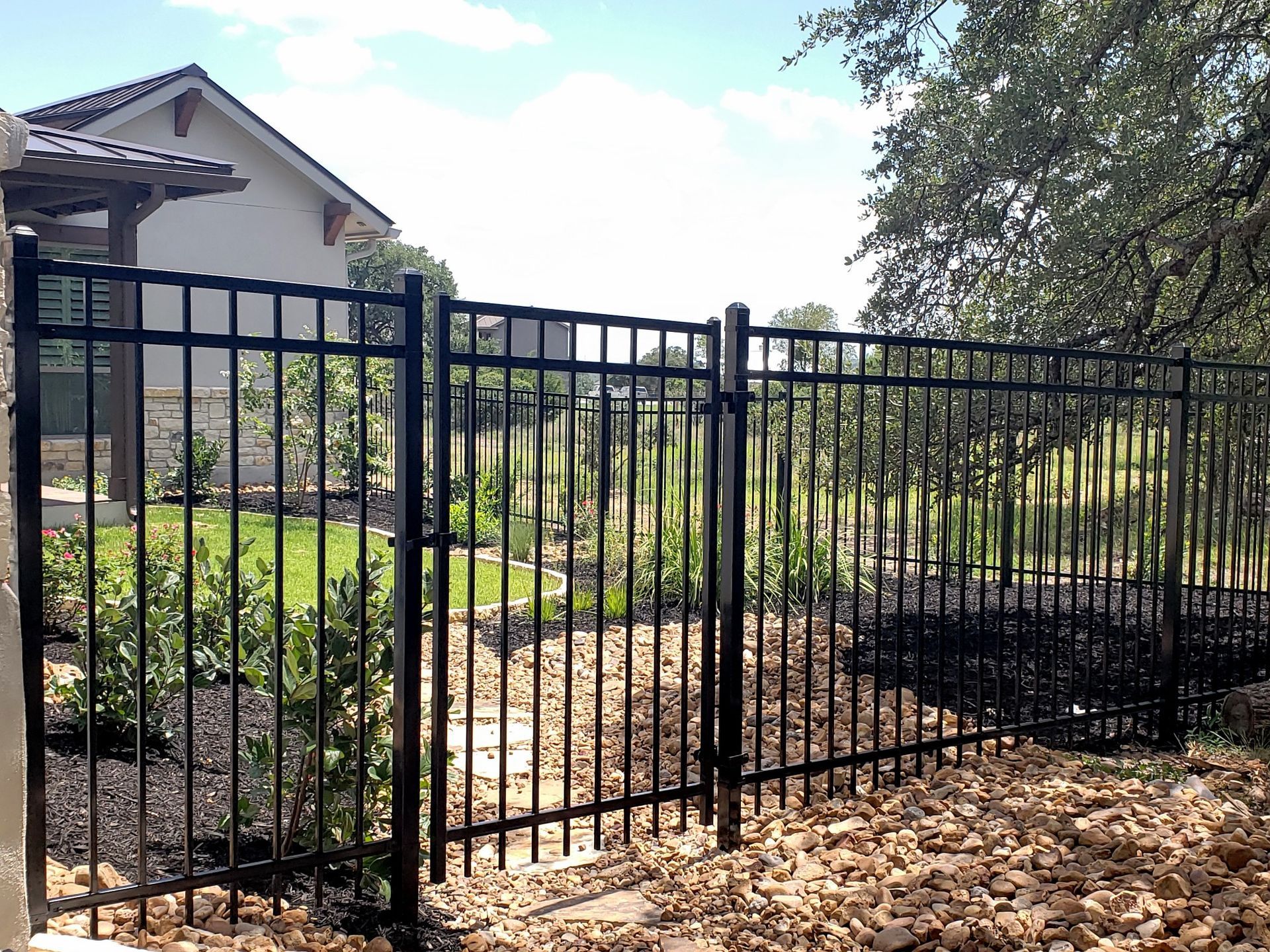
A well-designed fence establishes a visible boundary and can make unauthorized access considerably more difficult. Height, picket spacing, gate placement, and decorative features can all be customized according to the security requirements of a particular property. Taller installations may discourage climbing, while narrow spacing between vertical components can make passing through the structure difficult. Decorative finials can simultaneously contribute to the design and discourage attempts to scale the perimeter.
Gates are another important component of an effective security plan. Locks, access controls, intercom systems, and automatic gate operators can help property owners manage who enters and exits. An iron fence can also work alongside cameras, exterior lighting, alarms, and motion sensors rather than functioning as an isolated security feature. Combining physical barriers with electronic systems creates multiple layers of protection while allowing authorized occupants and visitors to enter conveniently.
Customization and Architectural Style
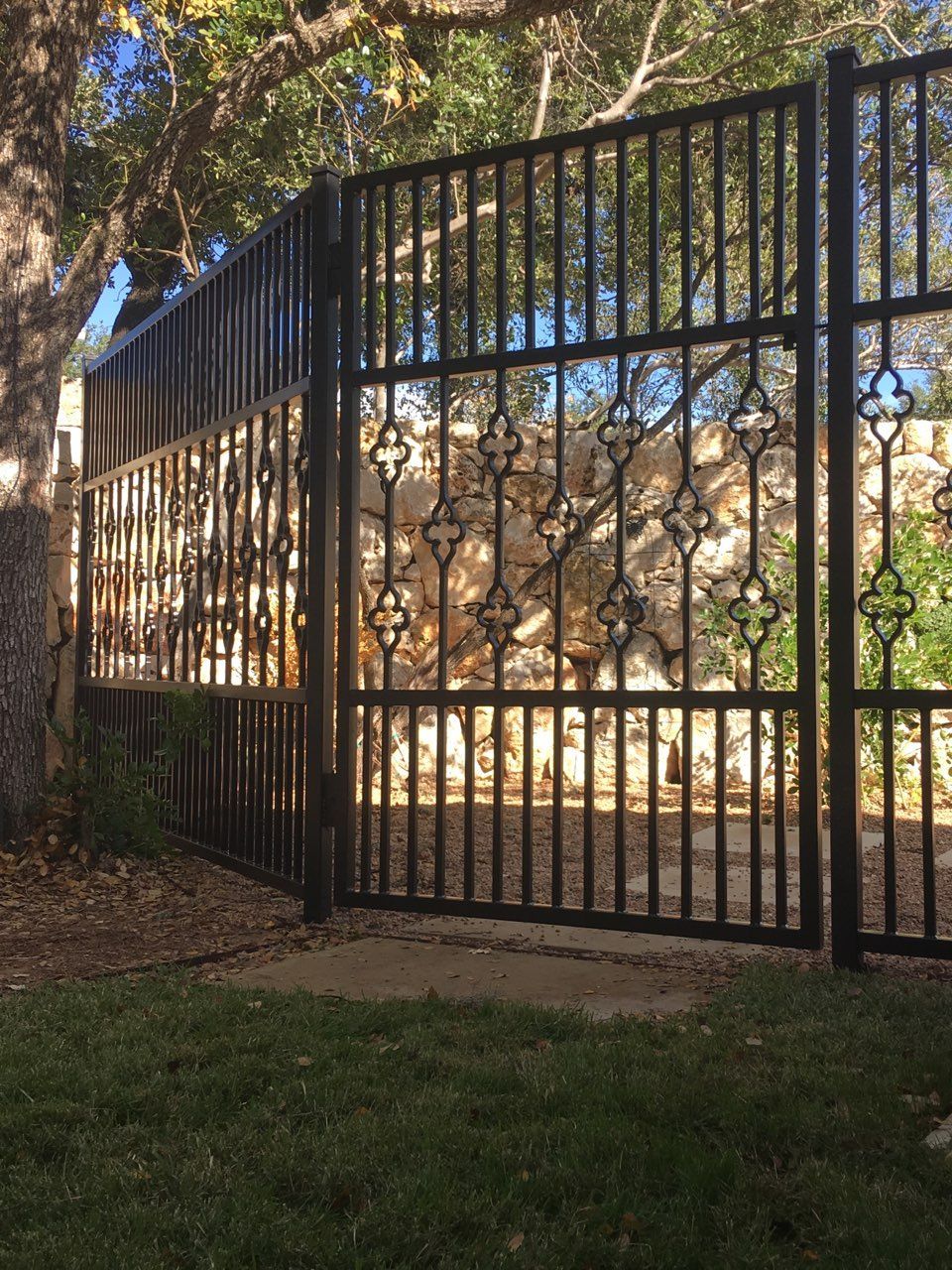
One of the major advantages of iron fencing is the amount of customization available. Traditional properties may benefit from ornamental scrollwork, arches, finials, and detailed patterns, while contemporary buildings may look better with straight lines and minimalist designs. Property owners can select heights, spacing, gate styles, posts, and decorative components that coordinate with the architecture rather than settling for a generic perimeter solution.
Color and finish choices provide additional opportunities for personalization. Black remains popular because of its timeless appearance, but bronze, white, green, and other finishes may complement certain exterior materials or landscaping designs. Matte, textured, and glossy finishes can further influence the final appearance. A carefully designed iron fence can therefore function as an architectural feature instead of simply marking the edge of a property.
Curb Appeal and Property Equity
First impressions can influence how visitors and prospective buyers perceive a home or commercial property. Attractive fencing creates a defined entrance, frames landscaping, and establishes a polished appearance from the street. Iron works particularly well with materials such as stone, brick, concrete, and natural wood, giving property owners numerous opportunities to coordinate fencing with existing exterior features.
Landscaping can further enhance the effect. Flowers, shrubs, ornamental grasses, and climbing plants can soften the appearance of metal while the open design allows greenery to remain visible from outside the property. Unlike solid fencing that may visually separate landscaping from the surrounding area, iron can provide definition without completely blocking views. An attractive iron fence may contribute to perceived property value by combining curb appeal, durability, and security features that prospective buyers may appreciate.
Maintenance and Long-Term Performance
Although iron is durable, proper maintenance is necessary to preserve its condition. Periodic inspections allow property owners to identify scratches, chipped coatings, loose hardware, damaged sections, or early corrosion before these concerns become more extensive. Dirt and debris can generally be removed with gentle cleaning methods, helping maintain the finish and making potential problem areas easier to spot.
Rust prevention is especially important in environments where fencing regularly encounters moisture. Protective primers, paint, powder coatings, and other treatments create a barrier between the metal and surrounding conditions. If rust develops, addressing the affected area promptly can prevent it from spreading. Hinges, latches, and automatic gate components should also be checked periodically to ensure they continue operating properly. Consistent care allows an iron fence to maintain its structural and decorative qualities while protecting the original investment.
Sustainability and Material Longevity
Longevity can contribute to the environmental advantages associated with iron fencing. A product capable of remaining in service for decades does not require replacement as frequently as materials with shorter usable lives. Reducing replacement frequency can limit the amount of raw material, transportation, manufacturing, and disposal associated with maintaining a property's perimeter over time.
Iron also has the advantage of being recyclable. Metal components removed during renovations or at the end of their usable life can often be processed for use in new products rather than being permanently discarded. Property owners can further support sustainability by maintaining fencing carefully and repairing individual components when practical instead of replacing entire sections unnecessarily. The long service life of an iron fence makes responsible maintenance particularly worthwhile from both financial and environmental perspectives.
Costs and Long-Term Value
The initial price of custom iron fencing can be higher than some wood, vinyl, or chain-link alternatives. Costs vary according to the size of the property, fence height, material specifications, site conditions, gate requirements, finish, and complexity of decorative details. Custom fabrication and specialized installation can also increase the total project price. For that reason, obtaining detailed estimates can help property owners understand which features account for the largest portions of the budget.
Initial cost, however, should be considered alongside expected longevity and maintenance requirements. A durable installation that remains functional for decades may require fewer complete replacements than fencing made from less resilient materials. Property owners can manage expenses by prioritizing important security and structural features first and adding elaborate decorative elements only where the budget permits. This approach makes it possible to create an attractive iron fence without unnecessarily increasing project costs.
Before beginning a project, property owners should evaluate security priorities, design preferences, site conditions, maintenance expectations, and available budgets. Careful planning makes it easier to select features that provide practical value rather than focusing on appearance alone. When these considerations are balanced successfully, a custom iron fence becomes more than a property boundary. It can serve as a durable security feature, an architectural element, and a lasting investment in the overall appearance and functionality of the property. Contact our team at Kustom Fence today and learn more about our iron and custom fencing services.