October 7, 2026
Choosing the right contractor for a fence installation can have a major impact on how the finished project looks, performs, and holds up over time. Property owners may have many local companies to consider, and the differences between them are not always obvious at first. Experience, communication, material knowledge, pricing, scheduling, warranties, and workmanship can all influence the outcome. A contractor should be able to explain the process clearly, recommend appropriate materials, and complete the project according to the needs of the property. Whether the goal is greater privacy, improved security, a more defined property boundary, or a decorative upgrade, taking time to compare providers can make the decision easier. Understanding what to look for can help homeowners and business owners choose a fencing contractor with greater confidence.
Checking Experience and Professional Qualifications
Experience is one of the first factors to consider when evaluating a contractor. Fence installation can involve grading, measuring, post placement, gate alignment, material handling, and adapting to uneven terrain or existing structures. A company that has completed a wide range of projects may be better prepared to anticipate challenges before they cause delays. Property owners can ask how long the contractor has been in business, what types of projects they regularly handle, and whether they have experience with the specific materials being considered.
Professional qualifications are also worth reviewing. Depending on the location and scope of the work, contractors may need certain licenses, registrations, or insurance coverage. Asking about these details can help property owners understand how the company operates and whether it follows appropriate business practices. A contractor should also be willing to explain who will perform the work and whether installation is completed by employees or subcontractors. Reviewing qualifications early can help narrow the list of fencing providers before estimates and project details are compared.
Reviewing Available Materials and Styles
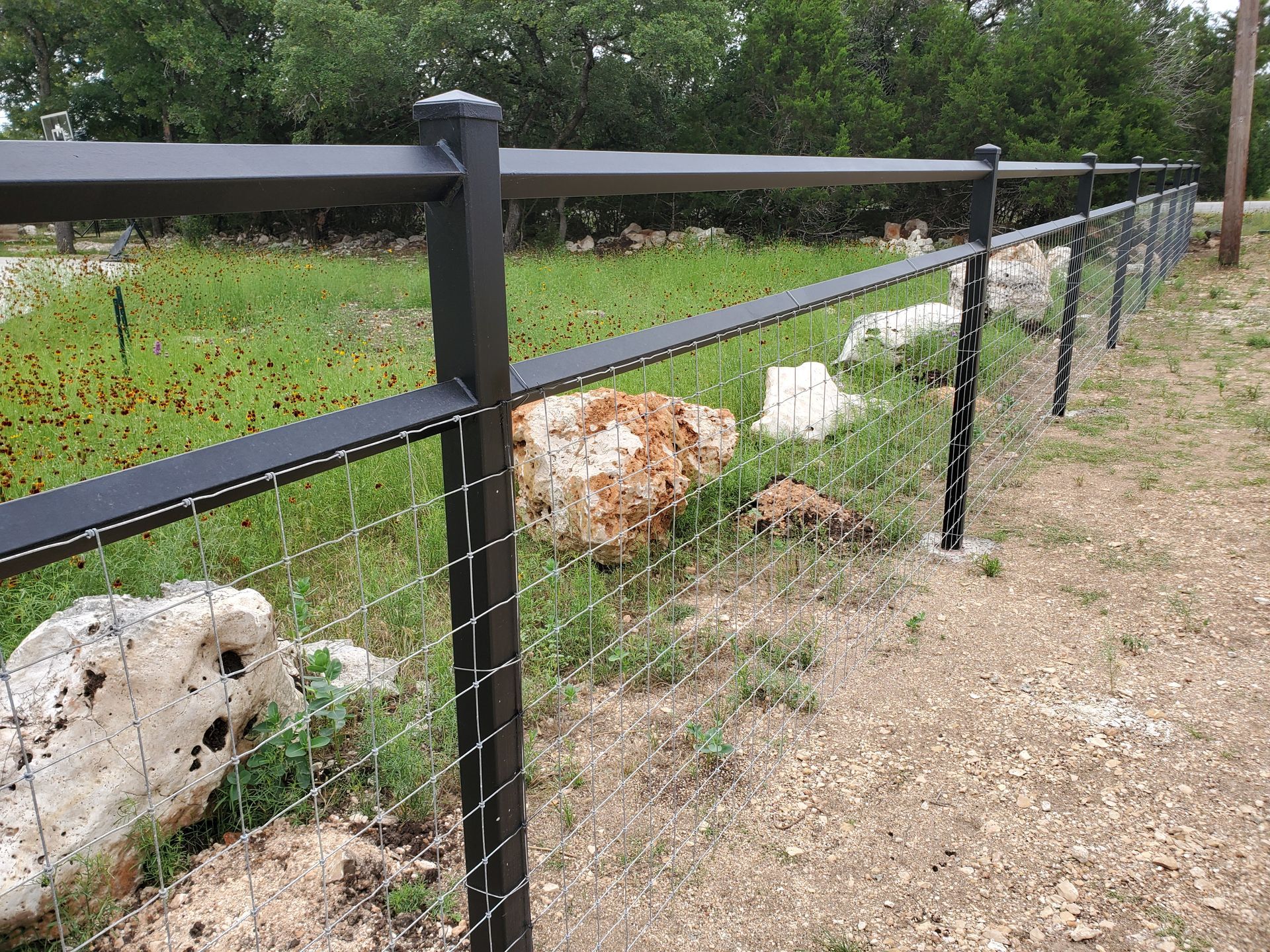
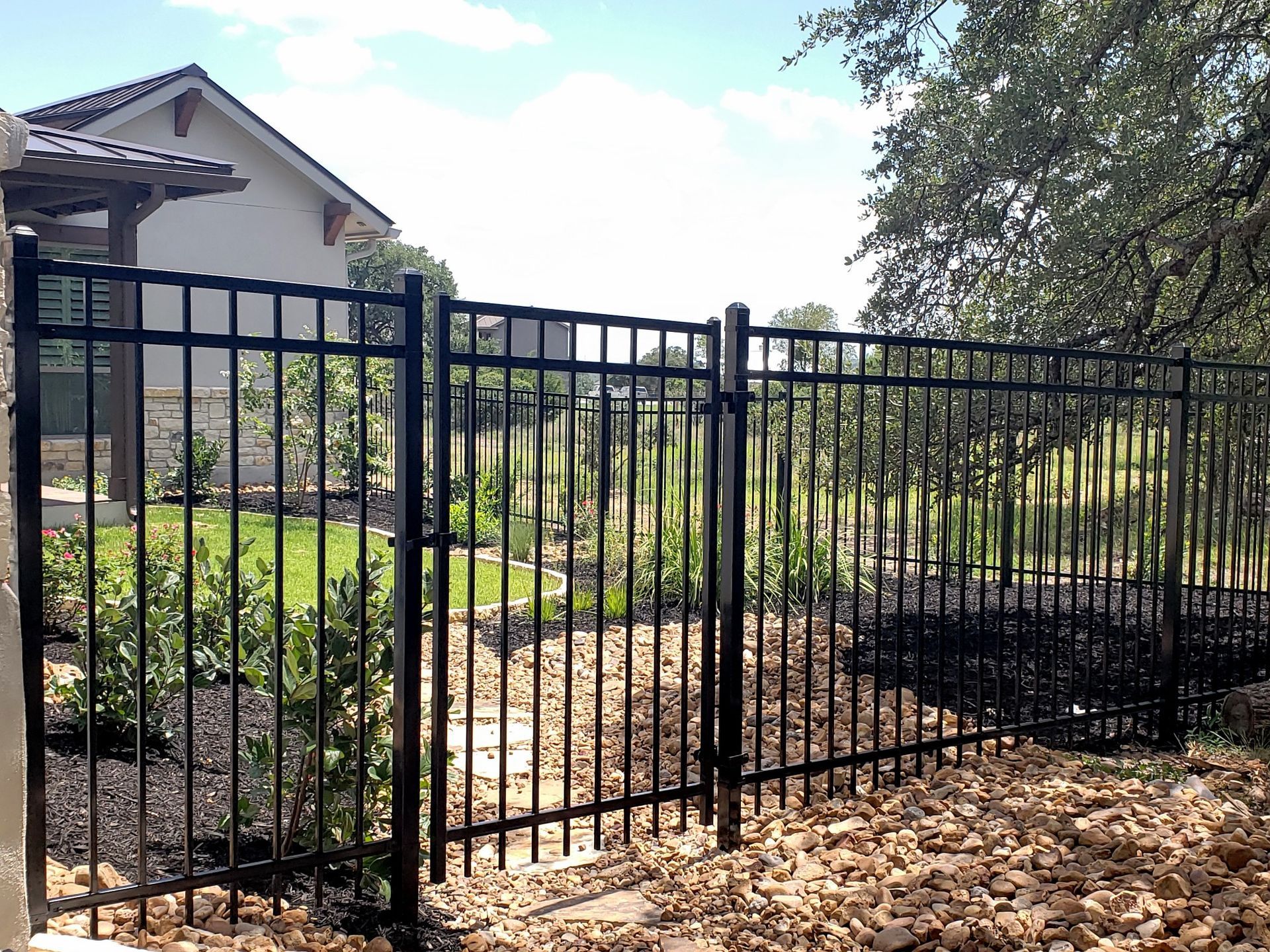
Different fence materials offer different appearances, maintenance requirements, and performance characteristics. Wood can provide a traditional look and substantial privacy, while vinyl may appeal to property owners seeking lower maintenance. Aluminum and ornamental metal can create an open, decorative appearance, while chain link may be useful for security, pet containment, or commercial applications. A knowledgeable contractor should be able to explain how each option performs under local conditions and what maintenance may be necessary over time.
According to Grand View Research, the U.S. fencing market has an estimated value of $9.81 billion. That broad market reflects the number of materials, styles, and applications available to property owners. A contractor who works with several options can help clients compare choices based on appearance, function, budget, and expected upkeep. Rather than recommending the same material for every property, the company should take the time to understand the goals of the project and explain which products may be most appropriate for the specific site.
Evaluating Communication and Responsiveness
Good communication is important from the first conversation through project completion. A contractor should respond to questions, explain scheduling expectations, and provide information in a way that is easy to understand. Slow or unclear communication before a contract is signed may indicate similar challenges once the project is underway. Property owners should pay attention to whether the company arrives for appointments as scheduled, follows up with requested information, and provides clear answers instead of vague promises.
Communication becomes especially important if the project involves custom layouts, multiple gates, neighboring property lines, landscaping obstacles, or other special considerations. The fencing contractor should confirm important details before installation begins and provide updates if weather, material availability, or site conditions affect the schedule. Being able to reach the company when questions arise can make the project less stressful. A contractor who communicates consistently can also help prevent misunderstandings about placement, materials, timing, and the finished design.
Examining Past Work and Customer Feedback
Looking at completed projects can help property owners evaluate the quality and range of a contractor's work. Photos may show how well the company handles different materials, property layouts, gates, corners, slopes, and decorative features. Examples can also help clients develop ideas for their own project. If possible, property owners may want to ask whether the contractor has completed installations similar in size or style to the one being planned.
Customer feedback can provide additional perspective on reliability, communication, cleanliness, scheduling, and overall satisfaction. Rather than focusing only on individual positive or negative comments, it can be more useful to look for patterns across multiple reviews. Consistent comments about punctuality, workmanship, or problem resolution may provide a clearer picture of what working with the company is like. Past results do not guarantee the outcome of a future fencing project, but they can help property owners identify contractors with a record of completing work that meets customer expectations.
Understanding Installation and Scheduling Practices
Before choosing a contractor, property owners should understand how the installation process will work. The company should be able to explain how the site will be measured, how posts will be installed, how property lines will be handled, and what preparation is expected from the customer. If an old fence needs to be removed, that process should also be discussed. Knowing the sequence of events can help clients prepare the property and avoid delays once the crew arrives.
Scheduling expectations should be realistic and clearly communicated. Material availability, permit requirements, weather, and workload can all affect when a project begins and how long it takes. A reputable fencing contractor should avoid making promises that cannot reasonably be met and should explain what factors might change the timeline. Property owners may also want to ask how the company handles weather delays or other unexpected interruptions. Clear scheduling information makes it easier to coordinate pets, landscaping, parking, access, and other activities around the installation.
Reviewing Warranties and Follow-Up Support
A fence is a long-term property improvement, so it is important to understand what support is available after installation. Contractors may offer workmanship warranties, while manufacturers may provide separate coverage for certain materials or finishes. Property owners should ask what each warranty covers, how long it lasts, and whether any maintenance requirements must be followed to keep the coverage valid. Getting these details in writing can make future questions easier to resolve.
Follow-up support can also matter if a gate needs adjustment, a post shifts, or another concern appears after the project is completed. A fencing contractor should be willing to explain how service requests are handled and whom customers should contact if a problem develops. Understanding the company's approach to post-installation support can provide additional confidence before signing an agreement. A contractor who stands behind completed work and provides clear warranty information may offer greater long-term value than one focused only on finishing the initial installation.
Choosing the right contractor involves more than comparing prices. Property owners should consider experience, qualifications, available materials, communication, previous work, scheduling practices, warranties, and follow-up support before making a decision. Taking time to evaluate these factors can help reduce uncertainty and make it easier to select a company that understands both the practical and visual goals of the project. The right fencing contractor should be able to explain the work clearly, recommend appropriate options, and provide a detailed plan for completing the installation. Careful research at the beginning can contribute to a smoother experience and a finished fence that suits the property for years to come. For professional help planning your next fence project, contact Kustom Fence.