September 8, 2026
Installing an iron fence can influence residential property value in several ways, including curb appeal, security, durability, neighborhood compatibility, and buyer perception. Unlike more basic boundary materials, decorative metal fencing can become a visible architectural feature that shapes a visitor’s first impression of the home. Homeowners considering this type of improvement should look beyond appearance alone and evaluate installation cost, maintenance needs, local rules, and long-term market expectations. When the design suits the property and is properly maintained, fencing can contribute to a more polished exterior while also serving practical purposes. Understanding how these factors work together can help homeowners decide whether the investment may support everyday enjoyment as well as future resale potential.
Aesthetic Appeal and Curb Value
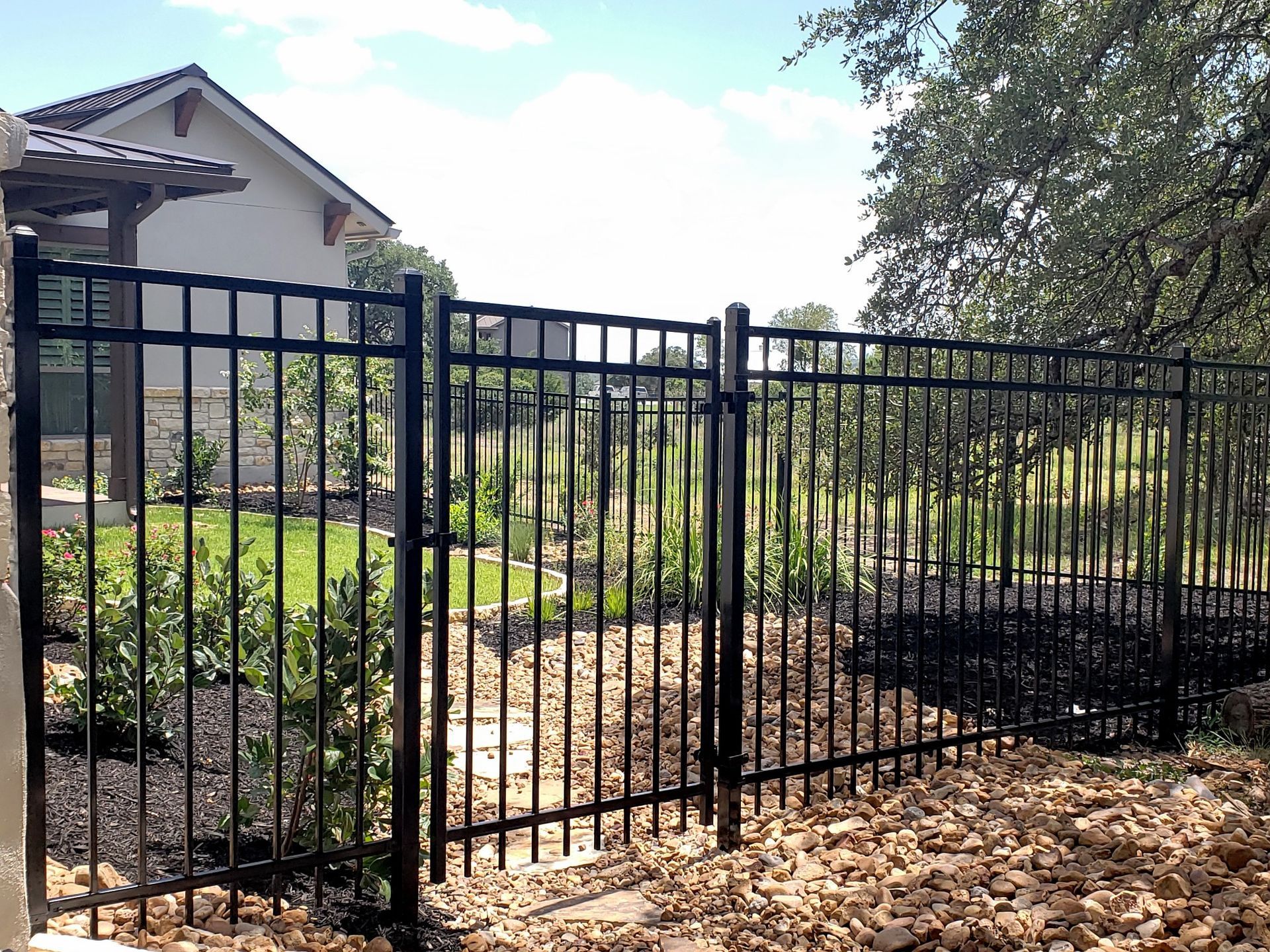
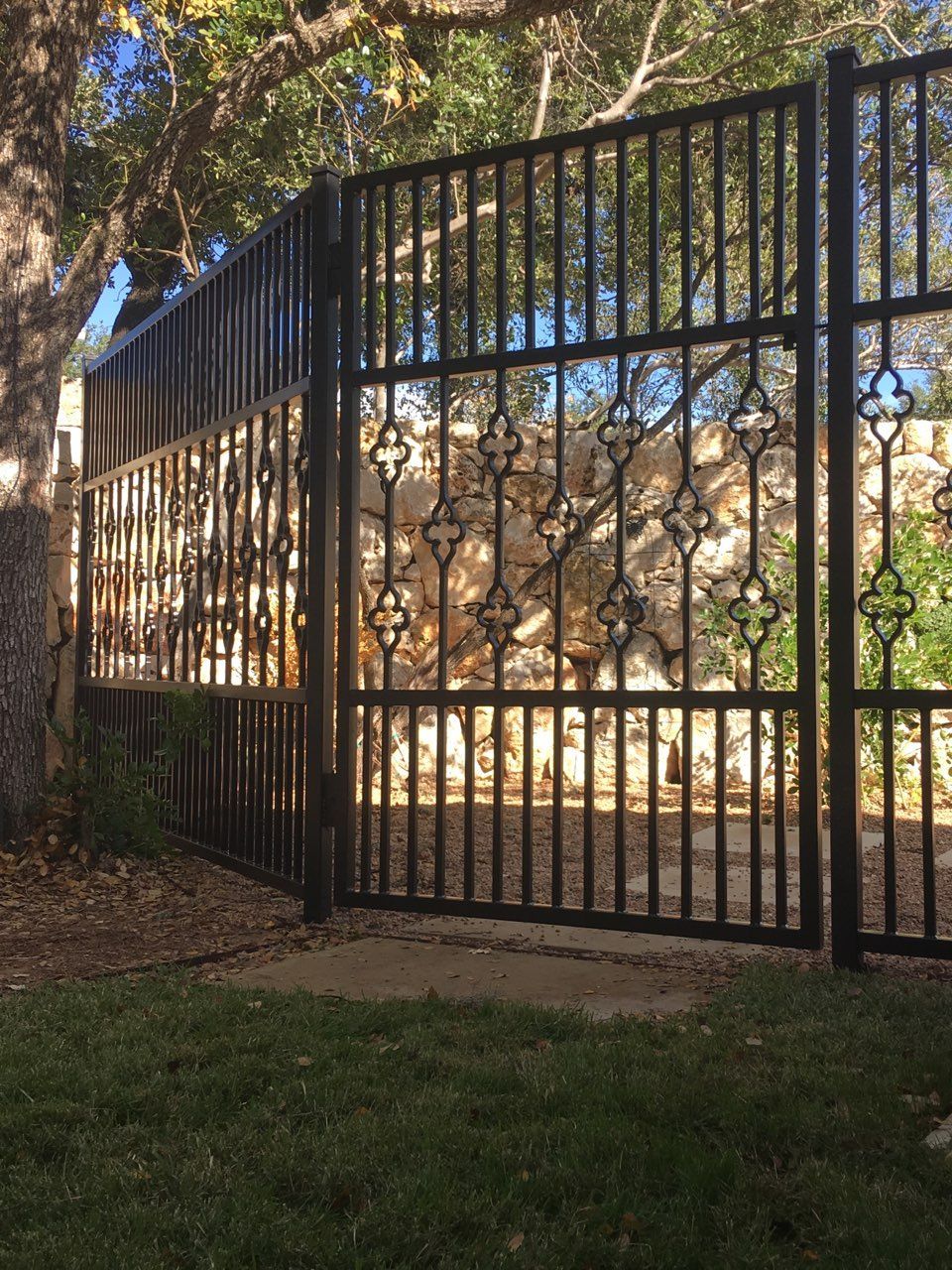
One of the strongest arguments for adding an iron fence is its ability to improve the appearance of a home's exterior. Metal fencing often creates a classic, structured look that works with traditional, transitional, and contemporary architecture. Decorative details, balanced spacing, and carefully selected heights can frame the property without completely blocking views of the house or landscaping. This visual openness may help the front yard feel larger while still creating a clearly defined boundary. For buyers who appreciate architectural character, well-designed fencing can make a property feel more finished and intentionally planned.
First impressions matter when buyers compare homes with similar layouts, lot sizes, or price points. A clean, well-maintained exterior feature can help one property stand apart before a prospective buyer even walks through the front door. An iron fence may also reinforce the impression that the homeowner has invested in lasting exterior improvements. The design should still fit the scale and style of the property. An overly ornate or unusually tall installation can appear out of place, while a proportionate design can complement the house and strengthen overall curb appeal.
Landscaping and Exterior Design
Fencing often has a greater visual impact when it is integrated thoughtfully with surrounding landscaping. Shrubs, flowering plants, walkways, outdoor lighting, and garden beds can soften the lines of metal fencing and create a balanced transition between the structure and the yard. Because open designs allow light and visibility through the boundary, homeowners can showcase landscaping rather than conceal it. Climbing plants may also be incorporated selectively as long as they do not trap excessive moisture or interfere with routine maintenance.
Color, finish, and decorative details also influence how well an iron fence complements the property. Dark neutral finishes are popular because they coordinate easily with brick, stone, stucco, siding, and natural landscaping. Gates, finials, and ornamental panels can introduce additional personality, but homeowners planning for future resale may want to avoid highly personalized designs. Buyers frequently respond well to improvements that are attractive without being overly specific to one person's taste. A coordinated exterior can make the fencing feel like an intentional part of the home's architecture.
Security and Property Boundaries
Security is another factor that may influence the value buyers associate with fencing. A sturdy perimeter can make it more difficult for unauthorized visitors to enter a yard while clearly identifying the boundaries of private property. An iron fence creates a substantial physical barrier without producing the enclosed appearance associated with solid wood or vinyl panels. This combination may appeal to homeowners who want additional protection while maintaining visibility toward sidewalks, driveways, streets, or neighboring areas.
Fencing can also be useful for households with children or pets by providing a defined outdoor space. Fence height, spacing between vertical components, and gate latches should be selected with safety and practical use in mind. Buyers may appreciate moving into a property where this improvement has already been completed because they will not need to arrange fencing immediately after purchasing the home. However, fencing works best as one element of broader property security. Exterior lighting, reliable locks, cameras, alarms, and regular maintenance can provide additional protection.
Durability and Maintenance Requirements
Durability is one of the major reasons homeowners select metal fencing instead of some alternative materials. Properly manufactured and installed sections can remain functional for many years, particularly when protective finishes receive routine attention. Unlike wood, metal will not rot, warp, or attract wood-destroying insects. It also provides rigidity that may be difficult to achieve with lightweight materials. These qualities can appeal to buyers who are interested in long-term exterior improvements rather than features that may require frequent replacement.
Maintenance is still necessary to preserve an iron fence over time. Homeowners should periodically inspect the surface for scratches, chipped coatings, loose fasteners, rust, or shifting posts. Promptly addressing exposed areas can prevent corrosion from spreading and protect the appearance of the installation. Gates may also need occasional hinge adjustments or lubrication to continue operating smoothly. Neglected fencing can have the opposite of its intended effect, making a property appear dated or poorly maintained. Regular cleaning and minor repairs can help preserve both structural performance and curb appeal.
Cost and Potential Return on Investment
Upfront cost deserves careful consideration because decorative metal fencing typically costs more than chain link and may also exceed the price of some wood or vinyl systems. Pricing varies based on property size, fence height, site conditions, gate requirements, design complexity, finish, and local labor costs. Custom ornamental work can further increase the total investment. Rather than assuming fencing will produce an equal increase in resale price, homeowners should consider both the financial expense and the practical benefits they expect to gain.
According to Redfin, the average return on investment for fence installation can range from approximately 30% to 70%, although results differ depending on the home and local real estate market. An iron fence may be particularly appealing in areas where buyers place a premium on security, architectural character, durable materials, or clearly defined outdoor spaces. The benefit can also come through improved marketability rather than a direct dollar-for-dollar increase in property value. A home that presents well and requires fewer immediate exterior projects may generate stronger buyer interest.
Comparing Popular Fencing Materials
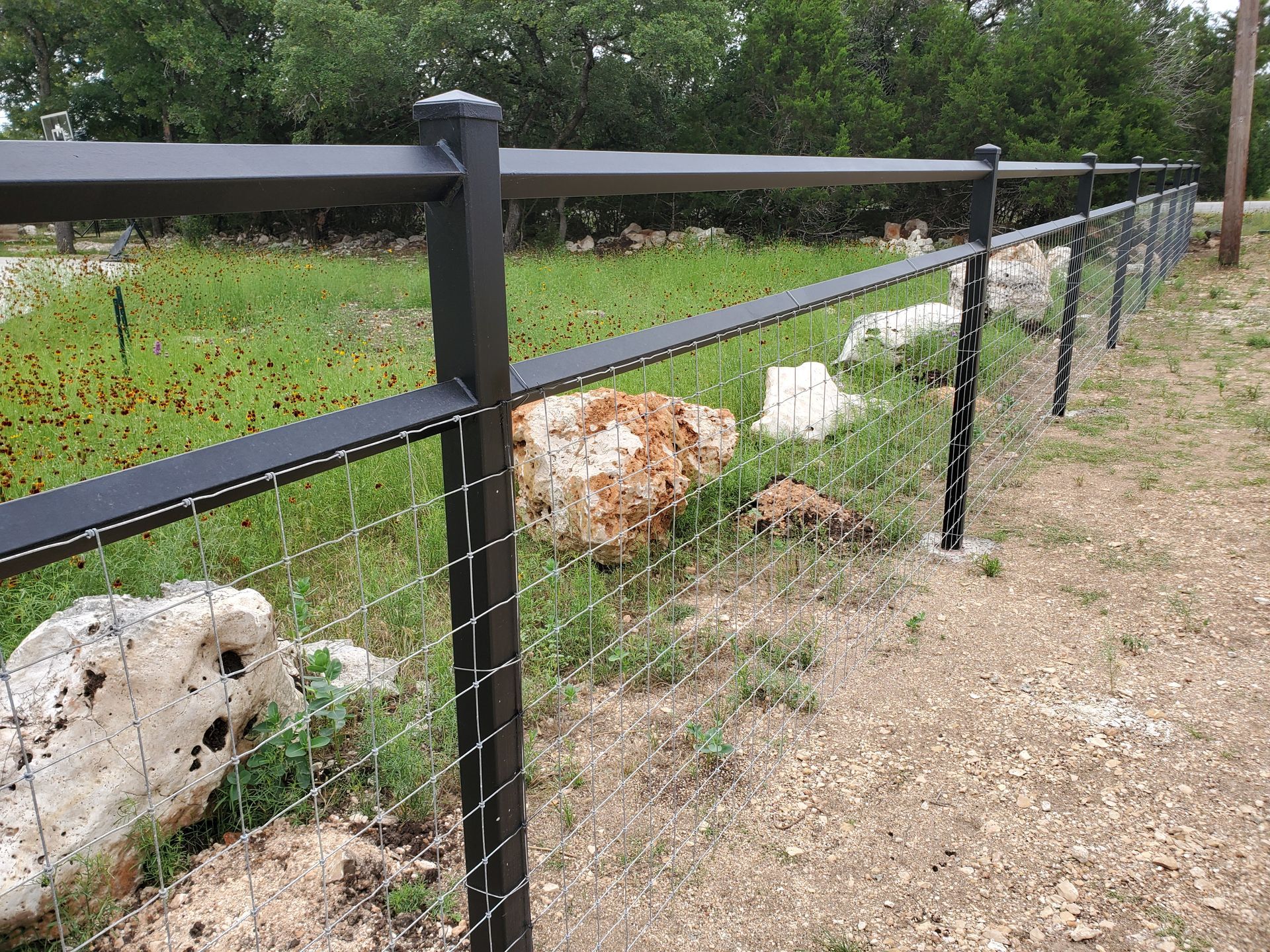
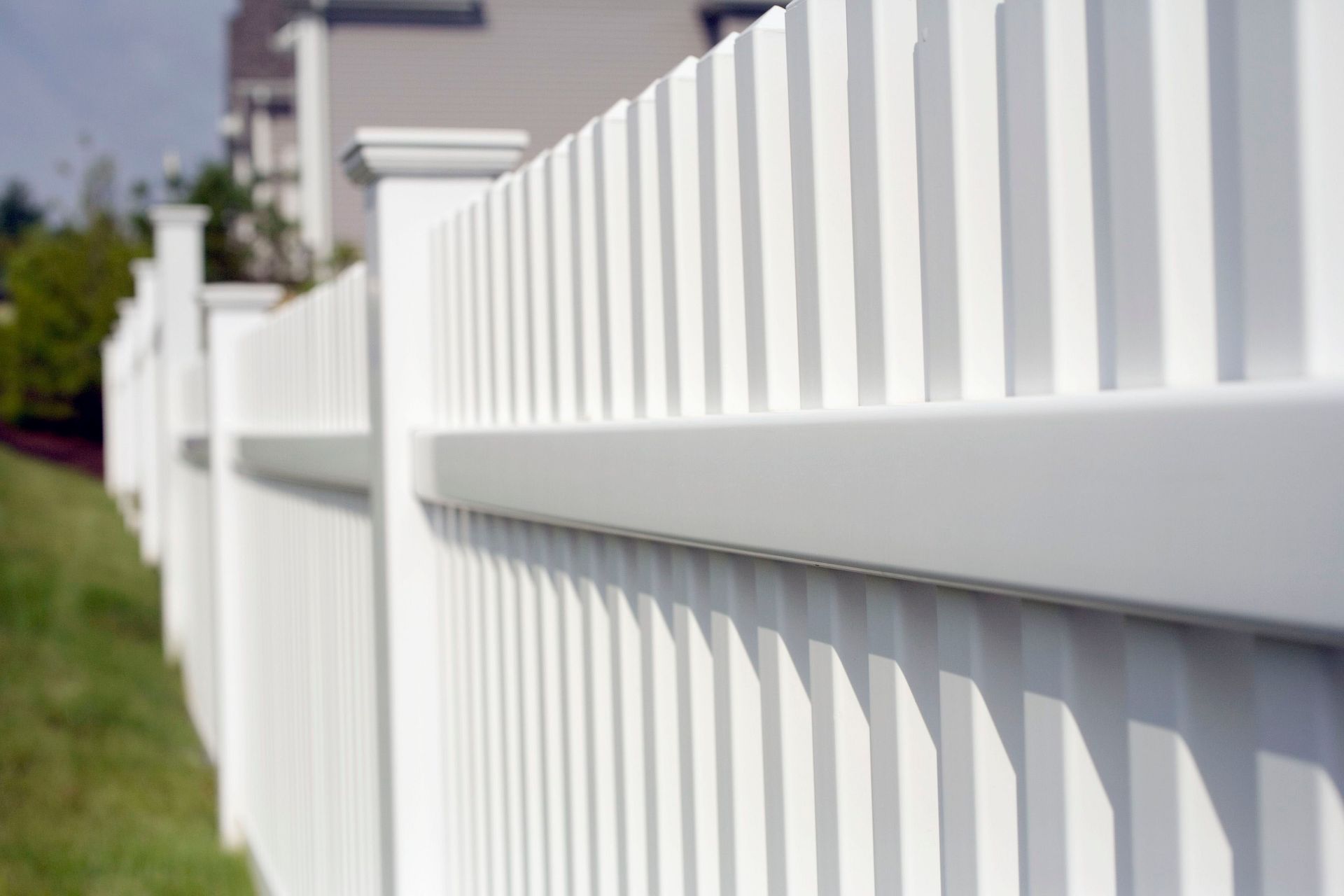
Different fencing materials offer distinct advantages, making it important to evaluate the homeowner's priorities before installation. Wood provides warmth, flexibility, and substantial privacy, but it may require staining, sealing, painting, or periodic board replacement. Vinyl is typically easy to maintain and works well for privacy applications, although some homeowners prefer the appearance of traditional materials. Chain link is economical and practical but usually provides less decorative impact for residential curb appeal. Decorative metal fencing occupies a different position because it combines physical strength with an open and elegant appearance.
Properties with attractive landscaping, architectural details, or formal entrances may be particularly well suited for an iron fence because visibility remains largely unobstructed. Homeowners seeking complete backyard privacy, however, may prefer solid panels or a combination of fencing materials. Climate should also influence the decision. Moisture, road salt, coastal air, and severe weather can affect long-term maintenance requirements. Comparing lifespan, privacy, appearance, installation price, and upkeep can help homeowners determine which option best supports their property.
The value added by fencing will ultimately depend on the individual property and the expectations of buyers in the surrounding market. Homeowners should focus on quality installation, appropriate proportions, durable finishes, and regular maintenance rather than choosing a design based solely on appearance. When these factors are addressed together, decorative metal fencing can become a functional and visually appealing part of the property. Thoughtful planning allows homeowners to invest in an exterior improvement that benefits their current use of the home while potentially strengthening its long-term marketability. Contact our team at Kustom Fence and learn more about our fencing services.